

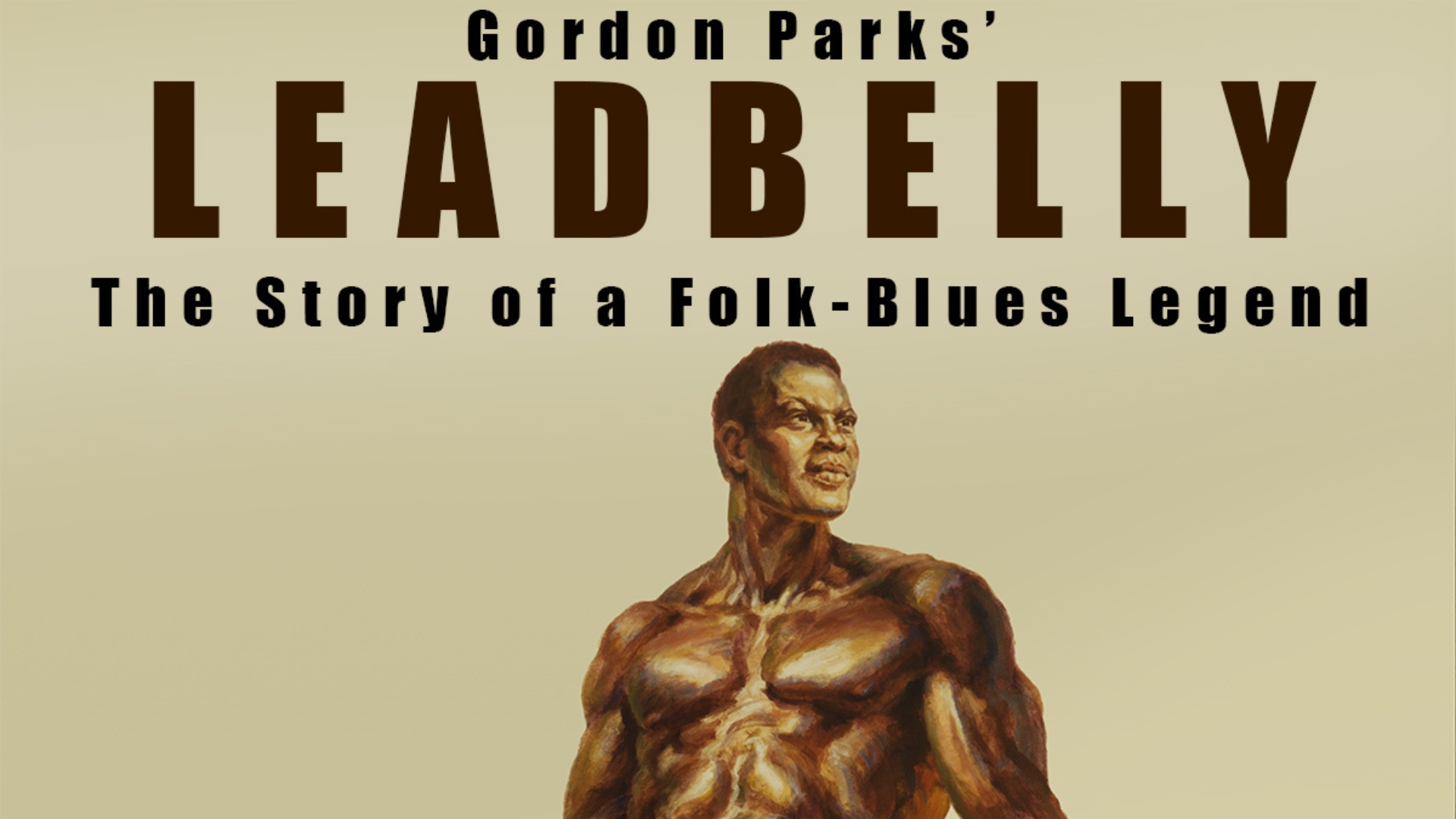
In 1976, a film arrived in American theaters that most of the country wasn’t ready for.
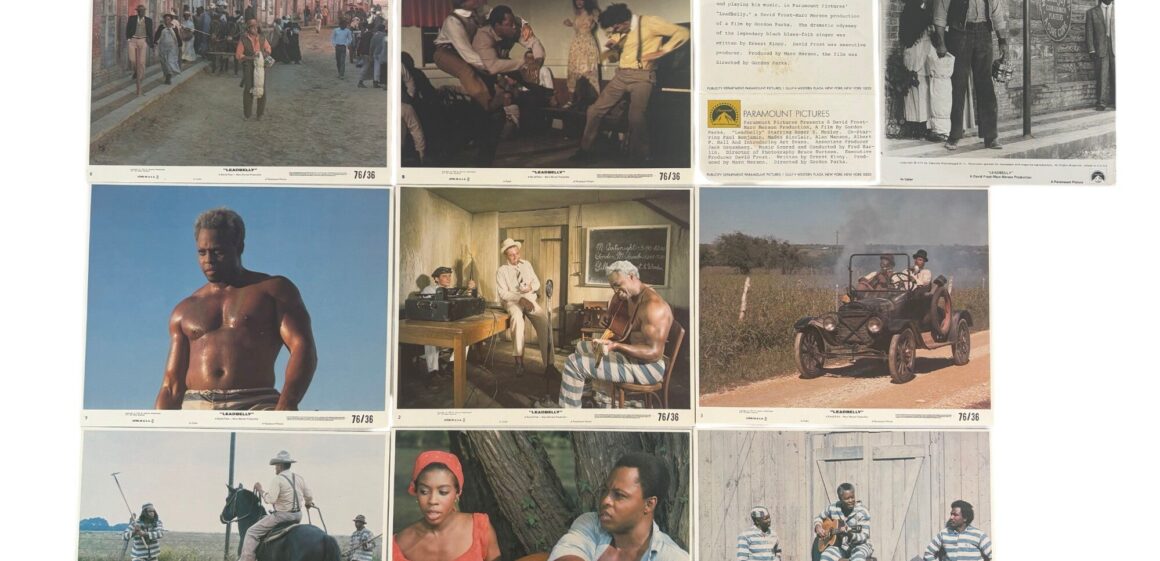
Leadbelly, directed by Gordon Parks and written by Ernest Kinoy, is a 126-minute portrait of Huddie William Ledbetter’s life — his youth, his music, his imprisonments, and the unbreakable spirit that outlasted every system designed to crush it. Starring Roger E. Mosley in the title role, with Paul Benjamin and Madge Sinclair in supporting roles, the film moves through the segregated South with unflinching honesty, refusing to soften its subject or sanitize his world.
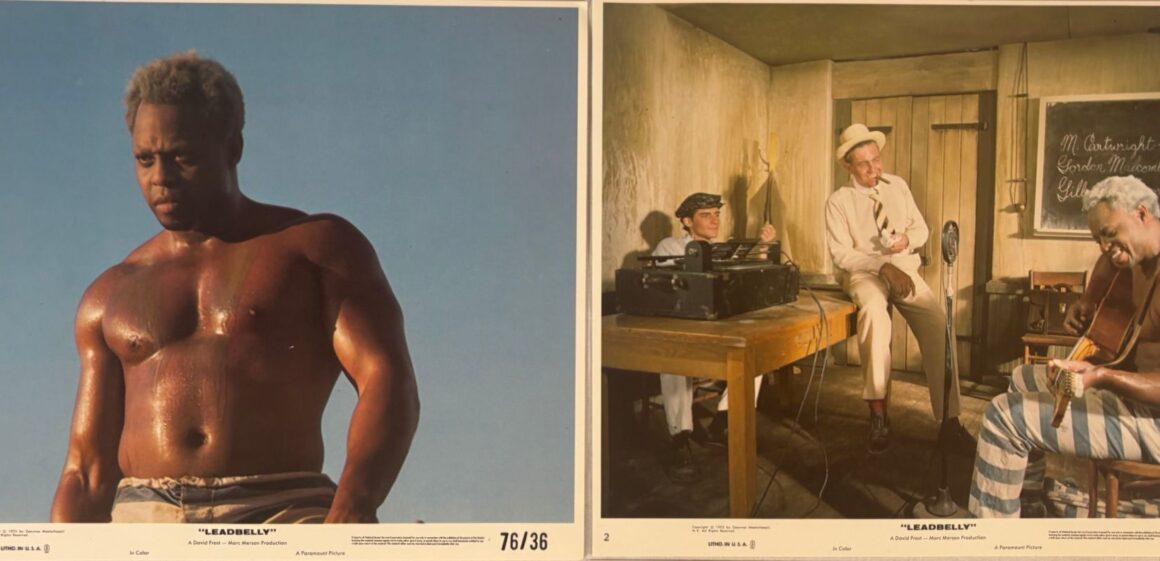
The film is structured as a flashback. When musicologist John Lomax arrives at the prison farm to record Huddie for the Library of Congress, the older, gray-haired Ledbetter looks back on the road that brought him there. What follows is a life told in full — the Shreveport juke joints, the chain gangs, the pardons, the music that never stopped even when everything else did.
One of the film’s finest sequences comes early, when a young Huddie crosses paths with Blind Lemon Jefferson, played with remarkable depth by Art Evans. The two men travel together for a time, playing wherever they are let in, and it is in these scenes that the film finds its most honest rhythm — two Black men in early 20th century America, brilliant and restless, navigating a world that wanted their music but not their freedom.
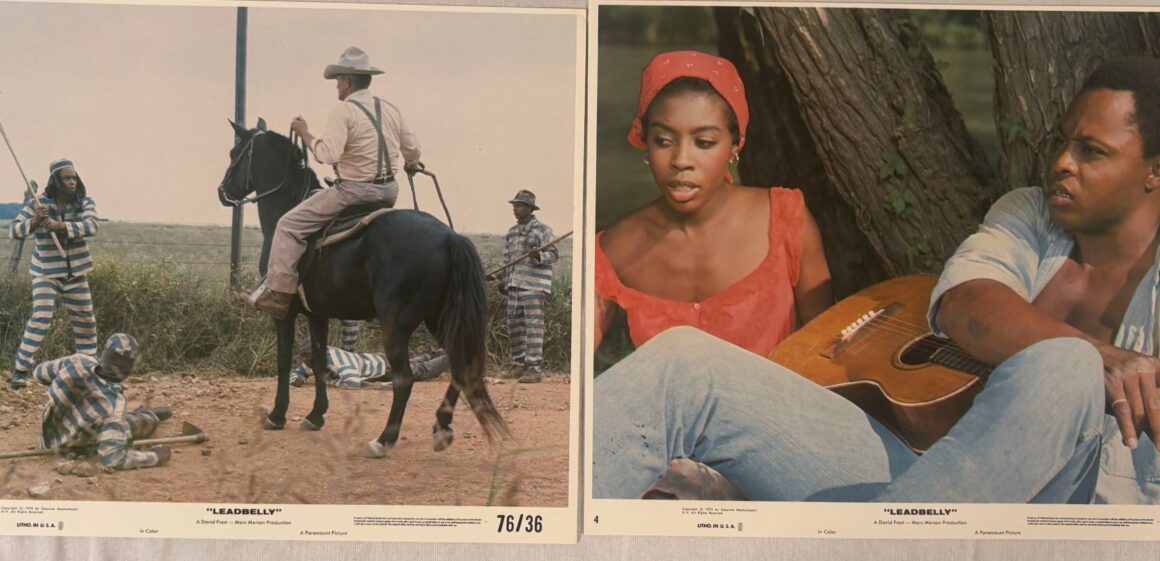
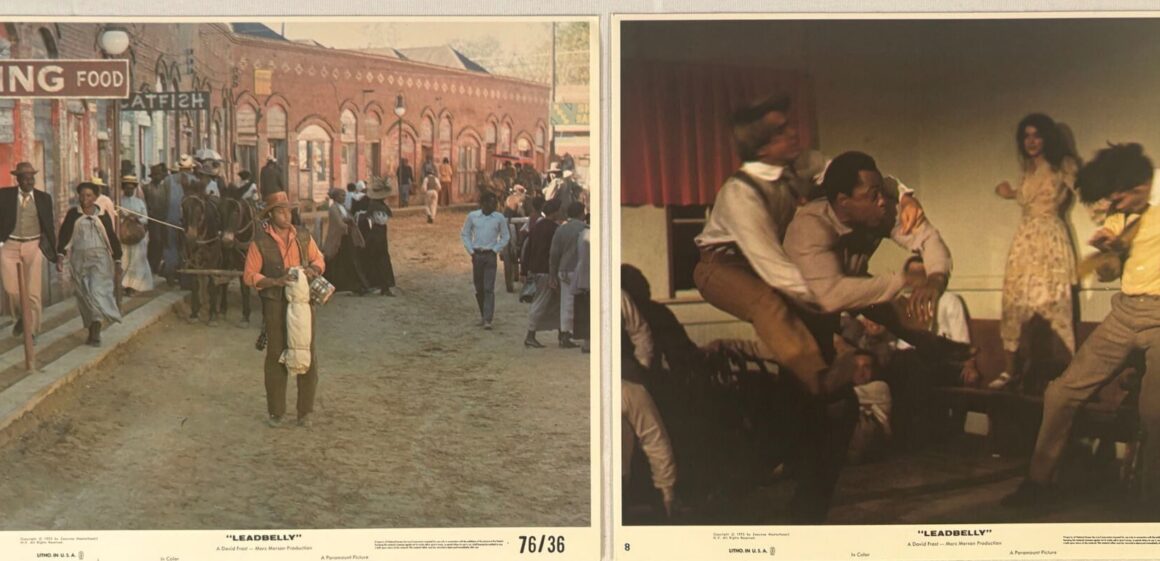
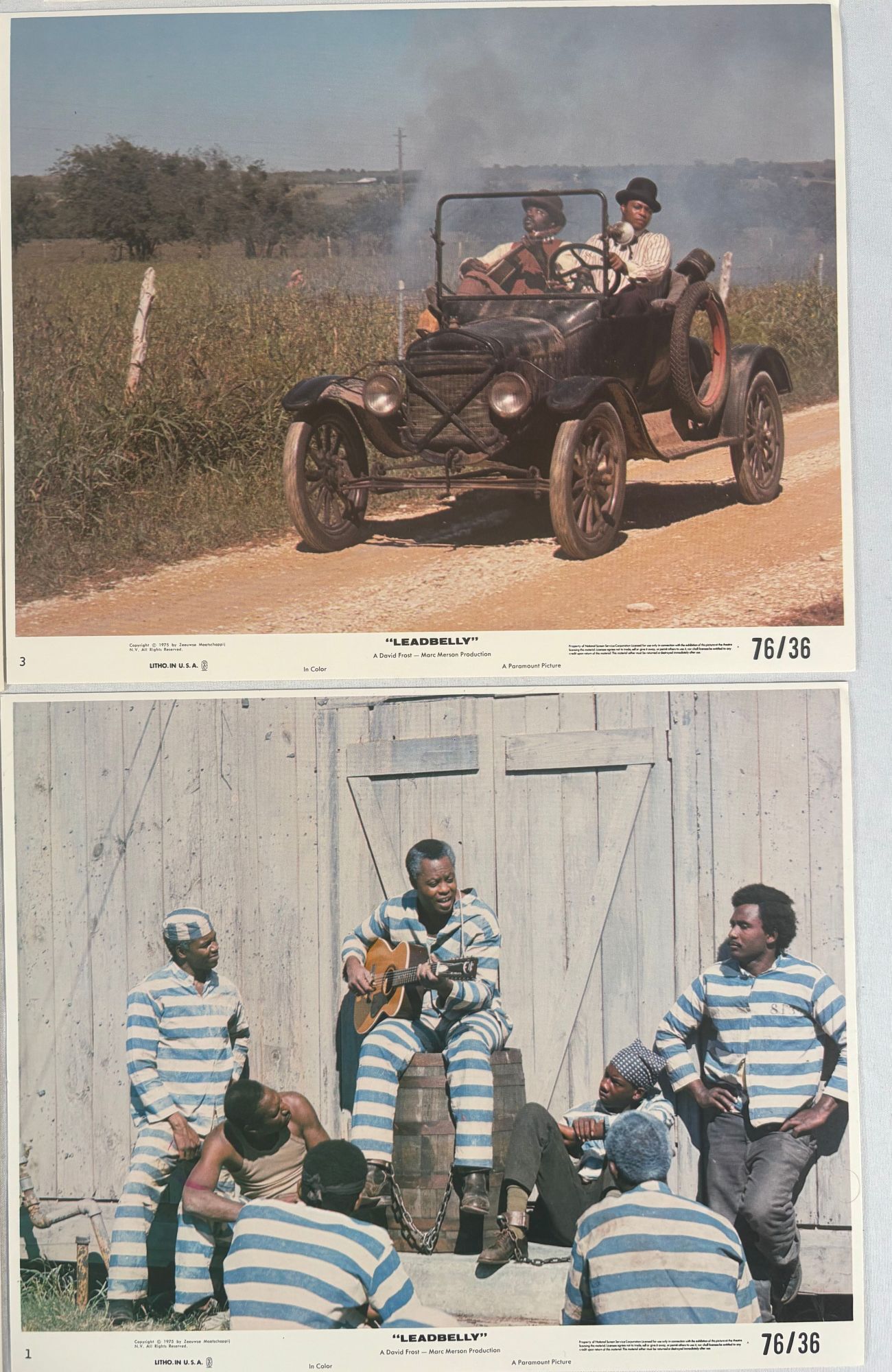
The film does not pretend the violence in Huddie’s life didn’t exist. It also does not pretend the violence done to him didn’t exist either. As critic Roger Ebert wrote in his original review, the chain gang system was designed to break men’s spirits — and in Huddie’s case, it failed.
Leadbelly premiered at the Loew’s State Theater in Times Square in 1976. At that premiere, two men who had known Huddie personally — folksingers Sonny Terry and Brownie McGhee — performed live and shared memories of their friend. It was one of the last times people who actually walked beside Huddie Ledbetter would speak about him in a public forum. That evening deserves to be remembered.
The film did not receive the commercial success it deserved. But like so much of Huddie’s own work, the world eventually caught up. Leadbelly was screened at the Museum of Modern Art in New York as recently as August 2024, where a new generation encountered both men’s legacies in the same breath.
Leave a Reply